North by Northwest Bat Hub
Categories: Environmental Sensors
Status: In Progress
About the Project
NABat provides standardized, coordinated bat monitoring protocols, data, and analytical tools across North America. The North by Northwest Bat Hub supports regional monitoring in Alberta, British Columbia, and Alaska following NABat guidance.
NABat is a multinational, multi-agency-coordinated bat monitoring program across North America made up of an extensive community of partners. Partners use standardized protocols at sites (or “stations”) located in predetermined locations to gather data. Data are used to assess population status and trends, help understand how bats respond to stressors, and help sustain viable populations.
The North by Northwest (NNW) Bat Hub is a cross-border collaboration led by the Governments of Alaska, Alberta and British Columbia. Our national affiliate Biodiversity Pathways leads the initiative, with the Wildlife Conservation Society (WCS) also playing a key role in supporting its development. Both the WCS and ABMI provided crucial leadership during the hub’s formation and continue to offer guidance and analytical support.
The NNW Bat Hub is focused on coordinating long-term monitoring of bat populations across the northwest region of North America, and ensuring this monitoring persists into the future. The hub builds upon strong local programs while seeking to increase the efficiency, quantity, representativeness, and integration of data for bats occurring across northwestern North America. The hub supports the collection and submission of data to NABat in line with its standardized protocols.
- University of Alberta
- Alberta Environment and Parks
- Parks Canada
- BC Parks
- Government of BC: Ministry of Water, Land and Resource Stewardship
- Government of Alaska
- Wildlife Conservation Society
- ECCC
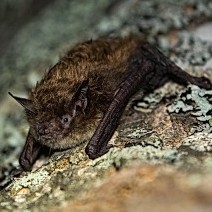
Northwestern North America is home to over a dozen species of bats. Some are year-round residents, while others undertake long-distance migrations every year to warmer climates in the winter. In the region, the resident Little Brown Bat and Northern Myotis are currently listed as Endangered by the federal Species at Risk Act, while the elusive Spotted Bat is listed as Special Concern in British Columbia. Three of the migratory species–Hoary Bat, Eastern Red Bat and Silver-haired Bat– have been assessed as endangered by COSEWIC. We use ultrasonic bat detectors to record bat sounds and follow the standard monitoring program outlined by NABat. This effort alongside other monitoring efforts carried out by other partners (e.g., capture, eDNA) can give us a picture of what the trends for the bat populations are and will help inform management and recovery actions.
Openly available, standardized data on bats:
- facilitates knowledge sharing among bat researchers;
- maximizes the value of data being collected;
- increases the efficiency of bat data management, processing, and sharing, (including data contribution to NABat program);
- and supports data-driven solutions to wildlife conservation and management.
The NNW Bat Hub uses the WildTrax platform for managing ultrasonic recordings collected during regional bat monitoring. The processed data is then shared with the wider NABat program.
Interested in learning more about Alberta’s bats? Check out the Alberta Community Bat Program for information about the bats that call Alberta home and how you can get involved in broader bat initiatives.
Need support processing bat data you’ve collected? Check out SENSR’s services.
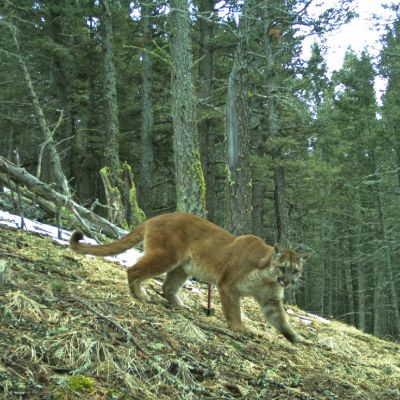
The Alberta Remote Camera Steering Committee (RCSC) is building scientific understanding and effectiveness of remote camera surveys to benefit a broader network of remote camera researchers and practitioners in western Canada.
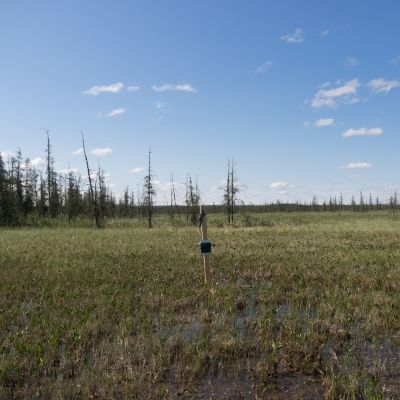
The Bioacoustic Unit is at the forefront of using digital audio recording through ARUs (autonomous recording units) to understand how human activities are affecting species that make sounds.
Learning how to measure and value ecosystem services provides insights on how to manage Alberta’s land base and help us decide how to best steward the land now and in the future.